
Summer Cooling Help Is Free: How to Spot the Fakes and Apply the Right Way
Some scammers charge fees for cooling help that is free through official programs. Here is how to protect yourself and find the real help.
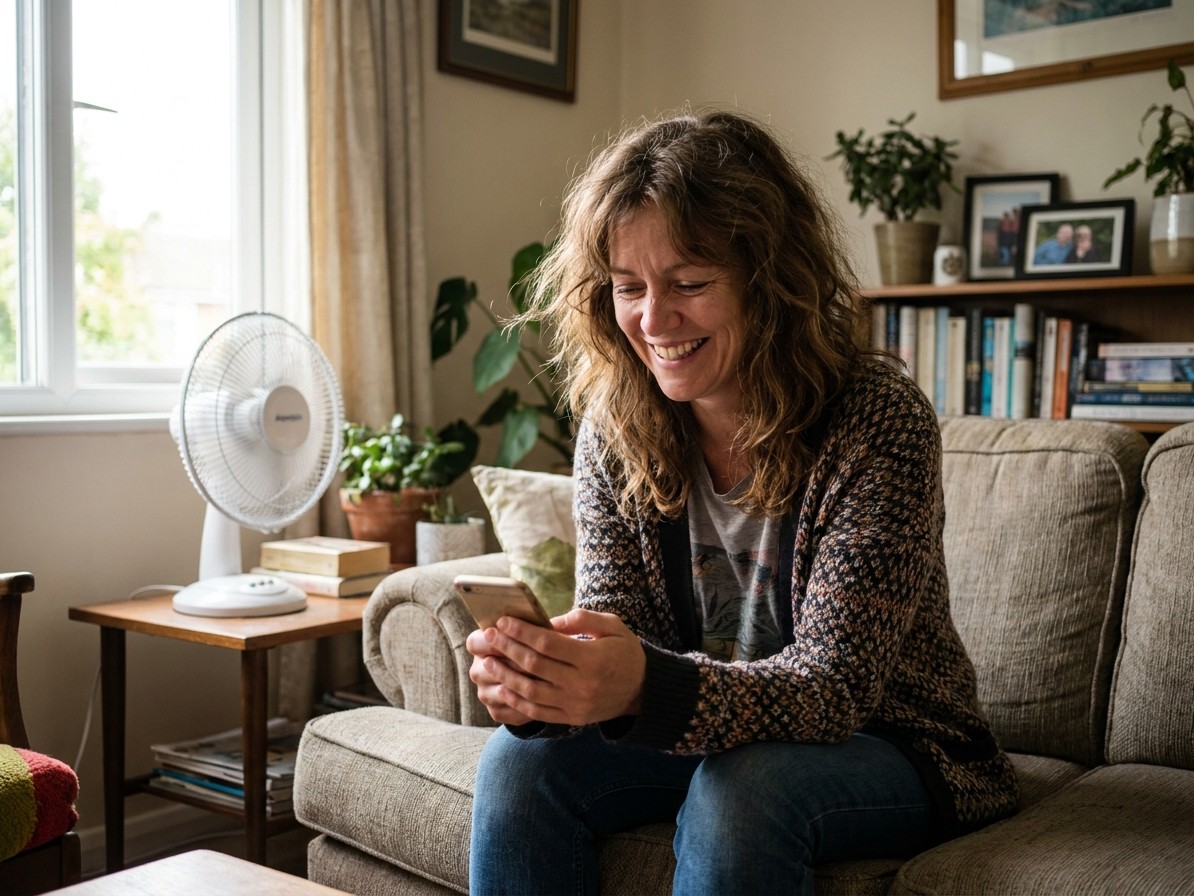
There is real help to stay cool this summer
When the heat rises, so do electric bills. If you are worried about keeping your home cool, help may be available for you.
Federal and state programs exist to help people pay for cooling and energy costs. These programs are run by the government and by local agencies. The important thing to know is this: the official path is free.
You should never have to pay a fee to apply for government cooling help. If someone asks you to pay to get your benefit, that is a warning sign.
How the scam works
Scammers know summer is stressful. They set up websites and phone lines that look official. They may promise to get you cooling help or a utility credit fast, but only if you pay a fee first.
Some ask for a processing fee. Some ask for your Social Security number or bank details up front. Then they take your money or your information and disappear.
Real government programs do not work this way. You do not pay to apply, and official agencies do not cold call you demanding payment or personal details to release a benefit.
Red flags to watch for
Watch for anyone who asks you to pay a fee to apply for or speed up a government benefit. That is the biggest red flag.
Be careful with links in text messages or emails you did not expect. Scammers copy official logos and wording to look real. Official government sites end in .gov.
Be cautious if someone pressures you to act right now or send money by gift card, wire, or app. Government agencies do not ask for payment that way. Take your time and check with the official source before you share anything.
The free official path
The Low Income Home Energy Assistance Program (LIHEAP) helps eligible households with home energy costs, including cooling. You apply through your state or local agency, and it is free to apply.
The U.S. Department of Housing and Urban Development (HUD) also posts official notices and guidance on its programs. Always start at an official government website, not a link someone sends you.
If someone tries to charge you for help that should be free, you can report it to the Federal Trade Commission. Reporting is free and helps protect other families too.
Frequently asked questions
- Do I have to pay to apply for cooling help?
- No. Applying for government cooling and energy assistance is free. If anyone asks for a fee to apply or to speed things up, that is a warning sign of a scam.
- How do I know a website is the real government?
- Official government websites end in .gov. Be careful with links sent by text or email, since scammers copy official logos and wording. When in doubt, type the official address yourself.
- What should I do if I think I was targeted by a scam?
- Do not send money or share more information. You can report it for free to the Federal Trade Commission at ReportFraud.ftc.gov. Reporting helps protect other families.
- Where do I apply for cooling help?
- Apply through your state or local energy assistance agency. Start at the official government energy assistance site and follow their steps. It is free.
Sources
More in Housing Assistance

Housing Assistance
Know What Your Rent Should Cost: Look Up HUD's Fair Market Rent for Your County
HUD publishes a rent estimate for every county in the country. It shapes what your housing voucher covers, and you can look yours up for free.

Housing Assistance
Get Help With Your Heating Bill Before the Cold Arrives
Fall is the time to sign up for home energy help. Applying now can mean your heating costs are covered before winter hits.

Housing Assistance
Real Help With Your Heating Bill Is Free: How to Spot LIHEAP Scams
As heating season nears, scammers pretend to be the energy bill help program. The real one never asks you to pay.
Get OpenFinancial in your inbox
One quick daily briefing on money and benefits you may be owed — free.