
Real Help With Cooling Bills Is Free: How to Spot the Fake Operators Charging Fees
Summer energy help from the government never costs a fee. Here is how to tell the real, free program from a scam.
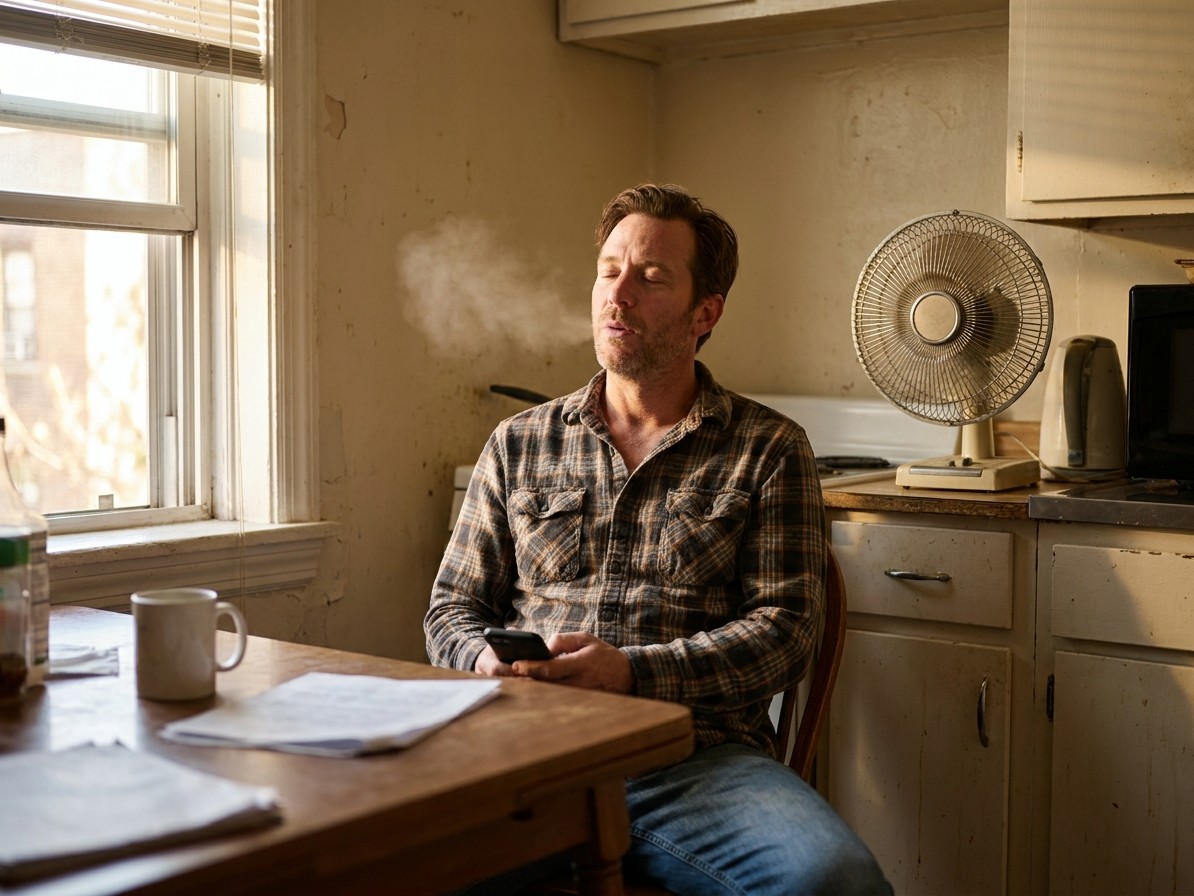
There is real cooling help, and it does not cost you a dime
When summer bills climb, help is out there. The government runs a program called LIHEAP (the Low Income Home Energy Assistance Program) that can help pay cooling and heating costs. It is run through your state and local agencies.
Here is the most important thing to know: the official program is free to apply for. You never have to pay a fee to get help with your energy bill. No one who is really from the program will ask you for money up front.
Scammers know that people are stressed about bills in July. So they set up fake 'services' that look official and charge you just to fill out a form you could fill out yourself for free.
How the fee scam works
The pattern is simple. A website or caller promises to 'sign you up' for energy or housing assistance. They may use words that sound official. Then they ask for a payment, an 'application fee,' or your bank details before they will do anything.
Some fake operators charge you for a form that is free on your state's official site. Others collect your personal information and disappear, or use it for identity theft.
The Federal Trade Commission warns that a real government program will not charge you a fee to apply, and will not ask you to pay to receive a benefit you qualify for.
The red flags to watch for
Watch for anyone who asks you to pay a fee to apply for a free benefit. That is the biggest warning sign.
Be careful with callers or sites that pressure you to act right now, ask you to pay by gift card or wire transfer, or promise they can get you approved faster for a price. No one can jump the line.
Also be careful with web addresses that copy a government look but do not end in .gov. Official federal information lives on .gov sites. When in doubt, close the page and go directly to the official source yourself.
Why this matters right now
HUD and other housing rules can change over time. For example, HUD published a proposed rule on July 10, 2026 about floodplain and flood hazard standards for housing (Docket No. FR-6527-P-01), with a public comment period ending September 8, 2026. That is official government business, posted publicly and free to read.
The point is this: real government programs and rules are published in the open, at no charge, and never require a paid middleman. If someone is charging you a fee to access something the government offers for free, that is your signal to stop and check.
Frequently asked questions
- Do I have to pay to apply for energy assistance?
- No. The official LIHEAP program is free to apply for. Anyone charging you a fee to apply is not the government.
- How do I know if a website is really the government?
- Official federal sites end in .gov. If a site copies a government look but does not end in .gov, or asks for a fee, treat it as a warning sign and go directly to the official source.
- Can a paid service get me approved faster?
- No one can move you ahead of the line for a fee. Be careful with anyone who promises faster approval in exchange for payment.
- What should I do if I already paid a fee to one of these operators?
- Report it to the FTC at ReportFraud.ftc.gov. Then apply directly through your state's official program for free.
Sources
More in Housing Assistance

Housing Assistance
Know What Your Rent Should Cost: Look Up HUD's Fair Market Rent for Your County
HUD publishes a rent estimate for every county in the country. It shapes what your housing voucher covers, and you can look yours up for free.

Housing Assistance
Get Help With Your Heating Bill Before the Cold Arrives
Fall is the time to sign up for home energy help. Applying now can mean your heating costs are covered before winter hits.

Housing Assistance
Real Help With Your Heating Bill Is Free: How to Spot LIHEAP Scams
As heating season nears, scammers pretend to be the energy bill help program. The real one never asks you to pay.
Get OpenFinancial in your inbox
One quick daily briefing on money and benefits you may be owed — free.